Hot Water Recirculating Pump Buyer’s Guide: End Cold Waits
Are you tired of waiting for what feels like an eternity for your shower to turn from cold to warm? You’re not alone. Millions of households face this issue daily, wasting time and water. A solution exists: installing a hot water recirculating system.
These systems ensure that warm water is always available at the tap, eliminating the wait. By understanding how hot water recirculating pumps work and their benefits, homeowners can make informed decisions about upgrading their plumbing.
Key Takeaways
- Understand the benefits of a hot water recirculating pump.
- Learn how to choose the best recirculating pump for your home.
- Discover how these systems can save time and water.
- Explore the different types of recirculating pumps available.
- Find out how to install and maintain your recirculating pump.
Understanding Hot Water Recirculating Systems
A hot water recirculating system is an innovative solution that circulates hot water throughout the plumbing system, ensuring it’s always available. This technology has revolutionized the way we experience hot water in our homes, making it instant and convenient.
How Hot Water Recirculation Works
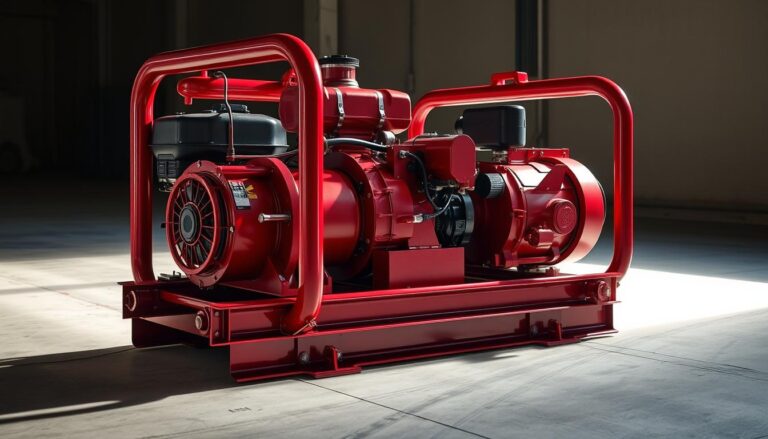
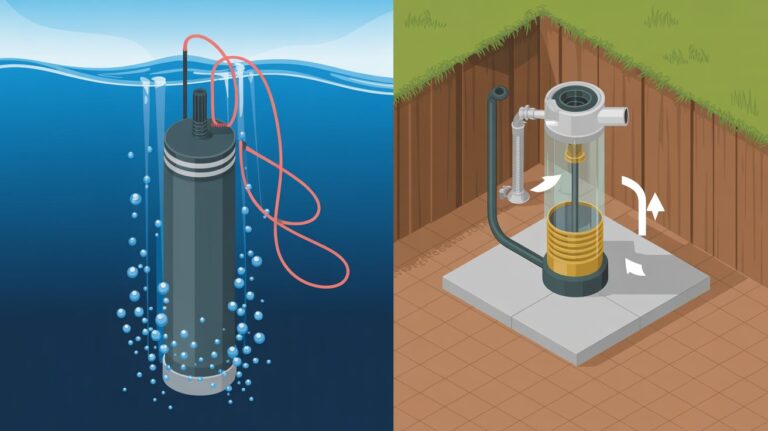
The mechanics behind a hot water recirculating system involve a pump that circulates hot water through the plumbing system. This pump is typically connected to a dedicated return line or integrated into the existing plumbing configuration. When the system is activated, either on-demand or via a timer, the pump begins to circulate the hot water, ensuring that it’s always available at the faucet. This process significantly helps to reduce wait time for hot water, enhancing user comfort.
The Problem of Cold Water Waste
Traditionally, waiting for hot water to arrive at the faucet results in a significant amount of cold water being wasted down the drain. This not only wastes water but also energy, as the water that’s being heated is often cooled down and then reheated. Hot water recirculating systems address this issue by maintaining a consistent circulation of hot water, thereby reducing the amount of cold water waste. By utilizing an energy-efficient pump, these systems minimize the environmental impact while maximizing the convenience of having instant hot water.
By understanding how hot water recirculating systems work and the problems they solve, homeowners can make informed decisions about upgrading their plumbing systems to be more efficient and convenient.
Benefits of Installing a Hot Water Recirculating Pump
The installation of a hot water recirculating pump is a practical solution for those seeking to improve their home’s hot water delivery system. This innovative technology offers a range of benefits that can enhance the overall efficiency and comfort of a household.
Instant Hot Water Access
One of the primary advantages of a hot water recirculating pump is the ability to have instant hot water access. By continuously circulating hot water through the pipes, homeowners can enjoy hot water at the faucet without the lengthy wait times associated with traditional plumbing systems. As noted by industry experts, “Instant hot water is not just a luxury, it’s a significant improvement to daily comfort.”
Water Conservation Benefits
A hot water recirculating pump also offers significant water conservation benefits. By reducing the wait time for hot water, less water is wasted down the drain. This not only conserves water but also reduces the energy required to heat the water that is ultimately wasted. According to the U.S. Environmental Protection Agency, “Conserving water is crucial for protecting our nation’s water resources.”
Energy Efficiency Considerations
Energy efficiency is another key consideration when evaluating the benefits of a hot water recirculating pump. Modern pumps are designed to be energy-efficient, using advanced technology to minimize energy consumption while maximizing performance. This results in a more sustainable and cost-effective solution for homeowners.
Comfort and Convenience Factors
Beyond the practical benefits, a hot water recirculating pump also enhances the comfort and convenience of a home. With instant hot water access, homeowners can enjoy a more comfortable bathing experience and increased convenience for household chores. As one homeowner noted, “The comfort of having hot water instantly is something we didn’t know we needed until we had it.”
Types of Hot Water Recirculating Pumps
Hot water recirculating pumps come in various forms, each designed to cater to different plumbing system needs. Understanding these types is essential for selecting the best recirculating pump for your home.
Dedicated Return Line Systems
Dedicated return line systems involve a separate return line that connects the furthest fixture back to the water heater. This design allows for continuous circulation of hot water through the return line, ensuring that hot water is always available.
One of the key benefits of dedicated return line systems is their ability to provide instant hot water. However, they require additional piping, which can increase installation costs.
Integrated Valve Systems
Integrated valve systems, on the other hand, do not require a dedicated return line. Instead, they use a special valve that allows cold water to be pushed back to the water heater, making room for hot water to flow to the faucet.
These systems are often more cost-effective to install since they don’t require additional piping. However, they may not be as efficient as dedicated return line systems in larger homes.
On-Demand vs. Timer-Based Systems
Hot water recirculating pumps can also be categorized based on their control mechanism: on-demand and timer-based systems.
| System Type | Description | Benefits |
|---|---|---|
| On-Demand | Activates when a button is pressed or a faucet is turned on | Energy-efficient, instant hot water |
| Timer-Based | Operates on a pre-set schedule | Convenient, can be programmed to match usage patterns |
On-demand systems provide hot water only when needed, making them energy-efficient. Timer-based systems, while convenient, may waste energy if not properly programmed.
Understanding these different types and their characteristics is crucial for making an informed decision when selecting a hot water recirculating pump. By considering factors such as your home’s plumbing layout and your hot water usage patterns, you can choose the best system for your needs.
Key Features to Consider When Buying
When selecting a hot water recirculating pump, several key features must be considered to ensure optimal performance and efficiency. A well-informed decision can lead to significant savings in energy and water, enhancing overall comfort and convenience.
Flow Rate and Pressure Requirements
The flow rate and pressure requirements of a hot water recirculating pump are critical factors that determine its compatibility with your home’s plumbing system. It’s essential to choose a pump that matches your system’s specifications to avoid inefficiencies and potential damage.
For instance, a pump with too low a flow rate may not effectively circulate hot water throughout your home, while one with too high a flow rate can lead to unnecessary energy consumption.
Noise Levels and Operation
Noise levels are another important consideration, especially if the pump is to be installed in a residential area or near living spaces. Modern pumps are designed to operate quietly, but some models are quieter than others.
As noted by a plumbing expert, “A quiet-operating pump can be a significant advantage, particularly in homes where noise reduction is a priority.”
Control Options and Smart Features
Control options and smart features can greatly enhance the functionality and efficiency of a hot water recirculating pump. Timers, thermostats, and remote controls allow for more precise management of the pump’s operation, potentially leading to energy savings.
- Timers enable scheduling the pump’s operation.
- Thermostats can regulate the pump based on water temperature.
- Remote controls offer convenience and flexibility.
Energy Consumption Ratings
Energy consumption ratings are a crucial factor in evaluating the efficiency of a hot water recirculating pump. Pumps with high energy efficiency ratings can significantly reduce your utility bills over time.
When comparing different models, look for those with high Energy Star ratings or similar certifications that indicate superior energy efficiency.
The Hot Water Recirculating Pump Buyer’s Guide: End Cold Waits
When it comes to selecting the ideal hot water recirculating pump, understanding your home’s specific requirements is crucial. A well-chosen pump can significantly reduce cold water waits, enhancing your overall comfort and convenience.
Assessing Your Home’s Specific Needs
To choose the right hot water recirculating pump, you need to assess your home’s plumbing system and hot water usage patterns. Consider factors such as the distance between your water heater and the furthest fixture, the number of bathrooms, and your household’s peak hot water demand.
Understanding these factors will help you determine the appropriate pump size and type for your home. For instance, a larger home with multiple bathrooms may require a more powerful pump to ensure instant hot water delivery.
Matching Pump Specifications to Your Plumbing System
Once you have assessed your home’s needs, it’s essential to match the pump specifications to your plumbing system. Consider the pump’s flow rate, pressure requirements, and compatibility with your existing plumbing configuration.
| Pump Model | Flow Rate (GPM) | Pressure Requirement (PSI) | Compatibility |
|---|---|---|---|
| Grundfos UP15-10SU7P | 2-5 | 30-80 | Copper, PEX |
| Watts Premier | 3-7 | 40-100 | Copper, PEX, PVC |
| Taco 006e3 | 2-4 | 30-60 | Copper, PEX |
By carefully evaluating your home’s specific needs and matching the pump specifications to your plumbing system, you can enjoy the benefits of instant hot water while minimizing energy consumption and reducing cold water waits.
Cost Considerations and ROI
The decision to invest in a hot water recirculating pump involves evaluating both the initial costs and the long-term savings. Homeowners must consider several factors to determine if such a system is a worthwhile investment for their specific situation.
Initial Purchase and Installation Costs
The upfront cost of a hot water recirculating pump can vary significantly based on the type and quality of the system. Dedicated return line systems, for instance, may be more expensive to purchase and install compared to simpler on-demand systems. Installation costs also depend on the complexity of the plumbing work required.
On average, the cost of the pump itself can range from $200 to $500, while installation costs can add another $200 to $1000, depending on the complexity of the job and local labor rates.
Long-term Energy and Water Savings
One of the primary benefits of a hot water recirculating pump is its potential to save energy and water. By reducing the time it takes for hot water to reach faucets and showers, these systems can significantly cut down on water waste. Additionally, they can help reduce energy consumption by minimizing the need to keep water hot for extended periods.
A well-designed hot water recirculating system can save homeowners between 10,000 to 15,000 gallons of water per year, depending on usage patterns. Energy savings can also be substantial, particularly if the system is designed to operate efficiently.
Potential Rebates and Incentives
Many utility companies and government agencies offer rebates and incentives for installing energy-efficient appliances and systems, including hot water recirculating pumps. These programs can help offset the initial cost of the system, making it more financially viable.
| Program | Rebate/Incentive | Eligibility |
|---|---|---|
| Utility Company Rebate | Up to $200 | Residential customers |
| Energy Star Incentive | Up to $500 | Energy-efficient models |
| Local Government Program | Up to $1000 | Specific models and installation requirements |
Homeowners should research available programs in their area to maximize their savings.
Top Brands and Models Worth Considering
For homeowners looking to invest in a hot water recirculating system, understanding the offerings from leading manufacturers is crucial. Several top brands have established themselves in the market by providing high-quality products that cater to different needs and preferences.
Grundfos Comfort Series UP15-10SU7P
The Grundfos Comfort Series UP15-10SU7P is a highly regarded model known for its efficiency and reliability. It features a stainless steel construction that ensures durability and resistance to corrosion. This pump is designed to provide instant hot water, reducing wait times and conserving water.
Watts Premier Instant Hot Water Recirculating Pump System
Watts Premier offers a comprehensive Instant Hot Water Recirculating Pump System that is designed for ease of installation and operation. This system includes a dedicated return line and is engineered to minimize energy consumption while maximizing comfort.
Taco 006e3 Hot Water Recirculation System
The Taco 006e3 is another popular choice among homeowners. It is a high-performance pump that is designed to work efficiently with a variety of plumbing systems. The Taco 006e3 features a compact design and is known for its quiet operation.
Laing AutoCirc E1-ACSB-R Pump
Laing’s AutoCirc E1-ACSB-R Pump is recognized for its innovative design and energy-efficient operation. This pump is equipped with advanced technology that allows for precise control over the recirculation process, ensuring optimal performance and minimal energy use.
When comparing these top models, several factors come into play, including energy efficiency, noise levels, and compatibility with existing plumbing systems. The table below summarizes key features of these models to help homeowners make an informed decision.
| Model | Energy Efficiency | Noise Level | Compatibility |
|---|---|---|---|
| Grundfos Comfort Series UP15-10SU7P | High | Low | Universal |
| Watts Premier Instant Hot Water Recirculating Pump System | High | Medium | Dedicated Return Line |
| Taco 006e3 Hot Water Recirculation System | Medium | Low | Variety of Systems |
| Laing AutoCirc E1-ACSB-R Pump | High | Low | Advanced Systems |
By examining the features and benefits of these top brands and models, homeowners can better understand which hot water recirculating pump is best suited to their specific needs, ensuring they make a well-informed purchase decision.
Installation and Maintenance Guidelines
The effectiveness of a hot water recirculating system largely depends on its installation and ongoing maintenance. Ensuring that your pump is correctly installed and regularly maintained not only enhances its performance but also contributes to cost savings and energy efficiency.
DIY vs. Professional Installation Steps
When it comes to installing a hot water recirculating pump, homeowners often debate between DIY and professional installation. While DIY can be cost-effective, professional installation ensures that the job is done correctly and safely. If you’re not experienced with plumbing, it’s advisable to hire a professional to avoid potential issues like leaks or improper pump sizing.
For those opting for DIY, it’s crucial to follow the manufacturer’s instructions closely. Key steps include choosing the right location for the pump, ensuring proper electrical connections, and bleeding the system to remove airlocks.
Regular Maintenance Requirements
Regular maintenance is vital to extend the lifespan of your hot water recirculating pump and ensure it operates efficiently. This includes checking for leaks, inspecting the pump for wear and tear, and cleaning or replacing filters as needed. It’s also important to check the system’s pressure and adjust it according to the manufacturer’s specifications.
Troubleshooting Common Issues
Despite regular maintenance, issues can arise. Common problems include the pump not circulating hot water, unusual noises, and leaks. Troubleshooting these issues often involves checking the power supply, inspecting valves for proper operation, and ensuring that the system is properly bled. For persistent issues, consulting a professional is recommended.
By following these installation and maintenance guidelines, you can enjoy the benefits of your hot water recirculating pump, including instant hot water, cost savings, and reduced energy consumption.
Conclusion
Investing in a hot water recirculating pump can significantly enhance the comfort and efficiency of a home’s plumbing system. By providing instant hot water access, these systems eliminate the frustration of cold water waits, making daily routines more convenient.
The benefits of hot water recirculating pumps extend beyond comfort. They also offer substantial cost savings through reduced water waste and lower energy consumption. Homeowners can enjoy a more efficient plumbing system while minimizing their environmental footprint.
When selecting a hot water recirculating pump, consider factors such as flow rate, noise levels, and control options to ensure the chosen system meets your home’s specific needs. Brands like Grundfos, Watts Premier, Taco, and Laing offer a range of models with advanced features.
By following the guidelines outlined in this Hot Water Recirculating Pump Buyer’s Guide, homeowners can make informed decisions and enjoy the benefits of a more efficient and comfortable plumbing system, ultimately leading to cost savings and reduced cold water waits.
Affiliate Disclosure: Some of the links in this post are affiliate links. This means that if you click on the link and purchase the item, I will receive an affiliate commission at no extra cost to you. As an Amazon Associate, I earn from qualifying purchases. All opinions remain my own and I only recommend products I believe will add value to my readers.