Sustainable Home Water System Buying Guide: Find the Perfect Fit
Are you wondering how to make your home’s water usage more environmentally friendly? Choosing the right eco-friendly water system can significantly reduce your household’s water waste and carbon footprint.
With numerous options available, selecting the perfect sustainable solution for your home can be overwhelming. This comprehensive guide is designed to walk you through the process of understanding your household’s needs and exploring different types of eco-friendly water systems.
By the end of this guide, you’ll be equipped with the knowledge to make an informed decision and find the ideal sustainable home water system that fits your needs.
Key Takeaways
- Understand the different types of eco-friendly water systems available
- Assess your household’s specific water needs
- Explore the benefits of various sustainable water systems
- Learn how to choose the most suitable system for your home
- Discover tips for maintaining your eco-friendly water system
Understanding Sustainable Home Water Systems
As homeowners increasingly look for ways to reduce their environmental footprint, sustainable home water systems have become a focal point in the quest for eco-friendly living. These systems are designed to conserve water, reduce waste, and promote efficient use of this precious resource.
What Makes a Water System “Sustainable”
A sustainable water system is one that minimizes its impact on the environment while providing clean and efficient water services. This can be achieved through various technologies and practices, such as rainwater harvesting and greywater recycling.
Environmental and Economic Benefits
Sustainable home water systems offer numerous benefits, including reduced water bills, lower energy consumption, and a decreased strain on municipal water supplies. By adopting these systems, homeowners can contribute to a more sustainable future.
The Growing Importance of Water Conservation
With the global population growing and climate change exacerbating water scarcity, the importance of water conservation cannot be overstated. Sustainable home water systems play a crucial role in this effort, helping to ensure a more water-secure future.
Assessing Your Household Water Needs
Assessing your household’s water requirements is the first step towards choosing the right green home water options. Understanding your specific needs will help you select an environmentally friendly water system that is both efficient and effective.
Determining Your Daily Water Usage
To determine your daily water usage, you need to consider the number of people in your household, your water-using appliances, and your personal hygiene habits. A typical American household uses around 80-100 gallons of water per day per person.
| Household Size | Average Daily Water Usage (gallons) |
|---|---|
| 1-2 people | 160-200 |
| 3-4 people | 240-320 |
| 5 or more people | 400 or more |
Identifying Water Quality Issues in Your Area
It’s also crucial to identify any water quality issues in your area. Check with your local water utility company for reports on water quality, or consider hiring a professional to test your water.
Setting Sustainability Goals for Your Home
Setting sustainability goals for your home is vital. Decide what you want to achieve with your water system, whether it’s reducing your water bill, minimizing your environmental impact, or both.
Types of Sustainable Home Water Systems
Homeowners have multiple options when it comes to sustainable water systems, each with its unique benefits. These systems not only help in conserving water but also reduce the strain on municipal water supplies and lower utility bills.
Rainwater Harvesting Systems
Rainwater harvesting systems collect and store rainwater for various uses such as irrigation, toilet flushing, and even drinking water, provided it’s properly treated. These systems can significantly reduce a household’s reliance on municipal water.
Greywater Recycling Systems
Greywater recycling systems reuse water from sinks, showers, and washing machines for irrigation and flushing toilets. This reduces the demand on potable water and decreases wastewater generation.
Water Filtration and Purification Systems
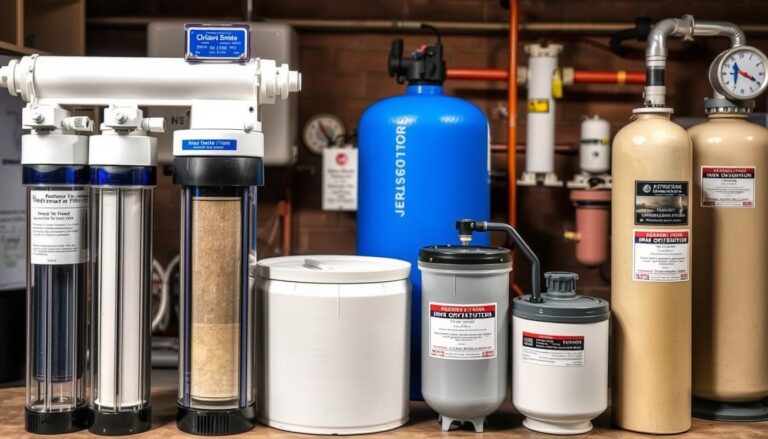
Water filtration and purification systems improve water quality, making it safe for drinking. Technologies range from simple activated carbon filters to complex reverse osmosis systems, each with its own set of benefits and maintenance requirements.
Water-Efficient Fixtures and Appliances
Water-efficient fixtures and appliances are designed to use less water without compromising performance. Examples include low-flow showerheads, toilets, and dishwashers that meet EPA’s WaterSense standards.
By understanding the different types of sustainable home water systems, homeowners can make informed decisions that suit their needs and contribute to a more sustainable future.
The Sustainable Home Water System Buyer’s Guide
Choosing the right sustainable home water system can be a daunting task without the proper guidance. As you navigate the various options, there are several key factors to consider to ensure you find the perfect fit for your home.
Key Features to Look For
When evaluating sustainable home water systems, there are several key features to look for. These include water efficiency, system durability, and maintenance requirements.
| Feature | Description | Benefits |
|---|---|---|
| Water Efficiency | Systems that minimize water waste | Reduced water bills, lower environmental impact |
| System Durability | Long-lasting components and materials | Less frequent replacements, lower maintenance costs |
| Maintenance Requirements | Easy-to-clean and maintain systems | Reduced maintenance costs, improved system longevity |
Certification and Standards
Look for systems that meet or exceed industry standards for water quality and efficiency. Certifications from reputable third-party organizations can provide assurance of a system’s performance and sustainability.
Compatibility with Existing Home Infrastructure
Ensure the sustainable water system you choose is compatible with your existing plumbing and infrastructure. This can help reduce installation costs and minimize disruptions to your home.
Eco-Friendly Materials and Components
Opt for systems made with eco-friendly materials and components. These not only reduce the environmental impact of the system but also contribute to a healthier indoor environment.
By considering these factors and doing your research, you can find a sustainable home water system that meets your needs and contributes to a more environmentally friendly home.
Rainwater Harvesting Systems: Detailed Analysis
For those interested in sustainable living, rainwater harvesting systems provide a practical and effective way to conserve water. These systems capture and store rainwater for various household uses, reducing the demand on municipal water supplies and lowering water bills.
Collection Methods and Equipment
The collection of rainwater typically involves installing gutters and downspouts on roofs. The equipment used can vary, but it often includes first flush devices that allow the initial flow of water from the roof to be diverted, taking debris and contaminants with it, and then allowing cleaner water to flow into the storage tank.
Storage Options and Considerations
Storage tanks for rainwater harvesting systems can be made from various materials, including plastic, concrete, or metal. The choice of material depends on factors like durability, cost, and environmental impact. The size of the tank is determined by the available space and the intended use of the harvested rainwater.
Filtration Requirements
While rainwater is relatively clean, it can contain contaminants from the roof and atmosphere. Filtration systems are used to remove these impurities, making the water suitable for various applications, from irrigation to toilet flushing.
Best Applications for Harvested Rainwater
Harvested rainwater is versatile and can be used for irrigation, toilet flushing, washing machines, and even potable water with proper treatment. The specific application depends on the level of treatment and filtration the water has undergone.
By understanding the components and applications of rainwater harvesting systems, homeowners can make informed decisions about implementing these eco-friendly water systems.
Greywater Systems: Options and Considerations
As water conservation becomes increasingly important, greywater systems are gaining attention for their potential benefits. Greywater systems reuse wastewater generated from sinks, showers, and washing machines, reducing the demand on potable water supplies.
Simple vs. Complex Greywater Systems
Greywater systems can range from simple to complex. Simple systems involve manual bucketing or basic diversion systems, while complex systems include multi-stage filtration and treatment processes. The choice between these systems depends on the homeowner’s needs and local regulations.
Legal Considerations and Permits
Before installing a greywater system, it’s crucial to understand local laws and regulations. Some areas have specific codes governing greywater reuse, while others may require permits. Compliance is essential to avoid legal issues and ensure system safety.
Best Applications for Greywater
Greywater is suitable for various non-potable purposes, including irrigation, toilet flushing, and outdoor washing. The quality of the greywater determines its appropriate uses, with treated greywater being suitable for a broader range of applications.
Safety and Maintenance Requirements
Safety is paramount in greywater systems. Proper maintenance, including regular inspections and filter cleaning, is necessary to prevent contamination and system failures. Homeowners should also be aware of potential health risks associated with greywater reuse.
By understanding the options and considerations associated with greywater systems, homeowners can make informed decisions about implementing these sustainable water solutions in their homes.
Water Filtration and Purification Technologies
Ensuring access to clean drinking water is crucial for sustainable living. Water filtration and purification technologies play a vital role in maintaining water quality, making them an essential component of environmentally friendly water systems.
Reverse Osmosis Systems
Reverse osmosis (RO) is a popular water purification method that uses a semi-permeable membrane to remove contaminants from water. RO systems are effective in removing dissolved solids, bacteria, and other impurities, making them a reliable choice for households seeking clean drinking water.
UV Purification
UV purification uses ultraviolet light to kill bacteria, viruses, and other microorganisms that can be present in water. This method is chemical-free and energy-efficient, making it an attractive option for those looking for a sustainable water treatment solution.
Carbon Filtration
Carbon filtration involves passing water through activated carbon to remove impurities. This method is effective in improving the taste and odor of water, as well as removing chlorine and other chemicals. Carbon filtration systems are often used in conjunction with other purification methods to provide comprehensive water treatment.
Sustainable Filter Options
When it comes to sustainable filter options, households can consider filters made from eco-friendly materials or those that are designed for longer lifetimes, reducing waste. Some manufacturers also offer recycling programs for used filters, further minimizing environmental impact.
By choosing the right water filtration and purification technology, households can ensure access to clean drinking water while minimizing their environmental footprint. Whether it’s reverse osmosis, UV purification, or carbon filtration, there’s a solution to suit every household’s needs.
Smart Water Systems and Monitoring
With the integration of technology, smart water systems offer a cutting-edge solution for water conservation. These systems provide homeowners with advanced tools to monitor and manage their water usage effectively.
Connected Water Management Solutions
Connected water management solutions enable real-time monitoring of water usage, allowing homeowners to identify areas of inefficiency. By leveraging data analytics, these systems provide insights into consumption patterns and suggest ways to reduce waste.
Leak Detection and Prevention
One of the significant benefits of smart water systems is their ability to detect leaks early. This feature helps prevent water damage and reduces the risk of mold and structural issues. Advanced systems can even automatically shut off the water supply in case of a detected leak.
Usage Tracking and Conservation Features
Smart water systems also come equipped with usage tracking and conservation features. These features help homeowners understand their water consumption habits and make informed decisions to reduce their usage. Some systems provide personalized recommendations for water-saving fixtures and practices.
| Feature | Description | Benefit |
|---|---|---|
| Real-time Monitoring | Tracks water usage in real-time | Identifies areas of inefficiency |
| Leak Detection | Detects leaks early | Prevents water damage |
| Usage Tracking | Monitors consumption patterns | Helps reduce water waste |
When considering a smart water system, it’s essential to review the different features and choose a system that aligns with your needs. Reading sustainable water system reviews can provide valuable insights into the effectiveness and reliability of various systems.
Regional Considerations for Water Systems
Understanding regional factors is essential for choosing the right sustainable home water system. Different regions face unique challenges related to climate, water availability, and local regulations, all of which impact the effectiveness of a water system.
Climate-Specific Solutions
The climate of your region significantly influences the type of water system you should install. For instance, areas with heavy rainfall can benefit from rainwater harvesting systems, while arid regions may require more emphasis on water conservation and efficient use.
Local Regulations and Incentives
Local regulations and incentives can greatly affect the choice of a water system. Many regions offer rebates or tax credits for installing eco-friendly water systems, making it more economical to invest in sustainable solutions.
Drought-Prone Area Strategies
In areas prone to drought, water conservation is paramount. Strategies include installing greywater recycling systems and using drought-resistant landscaping to minimize water usage.
| Region Type | Recommended Water System | Key Benefits |
|---|---|---|
| High Rainfall Areas | Rainwater Harvesting | Reduced water bills, decreased stormwater runoff |
| Drought-Prone Areas | Greywater Recycling, Water-Efficient Fixtures | Water conservation, reduced water waste |
| Areas with Poor Water Quality | Water Filtration/Purification Systems | Improved water quality, health benefits |
Installation and Maintenance Requirements
For a sustainable home water system to function optimally, it’s essential to consider both its installation and maintenance requirements. Proper installation ensures that the system operates efficiently from the start, while regular maintenance extends its lifespan and maintains its effectiveness.
DIY vs. Professional Installation
When deciding on the installation of a sustainable home water system, homeowners must choose between DIY and professional installation. While DIY can be cost-effective, professional installation ensures that the system is set up correctly, minimizing potential issues down the line.
A comparison of DIY and professional installation is crucial for making an informed decision. The table below highlights key differences:
| Installation Method | Cost | Expertise Required | Warranty |
|---|---|---|---|
| DIY | Lower upfront cost | High | Typically not covered |
| Professional | Higher upfront cost | Low (handled by professionals) | Usually covered |
Regular Maintenance Tasks
Regular maintenance is vital for the longevity of a sustainable home water system. Tasks may include checking for leaks, cleaning filters, and inspecting system components for damage or wear.
Troubleshooting Common Issues
Despite regular maintenance, issues can arise. Common problems include reduced water pressure, contamination, and system leaks. Identifying and addressing these issues promptly is crucial.
Replacement Parts and Frequency
Understanding when and how to replace parts is essential for maintaining the system’s efficiency. Filters, for example, may need to be replaced every 6-12 months, depending on usage and manufacturer recommendations.
Cost Analysis: Investment vs. Returns
When considering a green home water option, understanding the financial implications is crucial for making an informed decision. The initial investment in a sustainable water system can be significant, but it’s essential to weigh these costs against the potential long-term savings and environmental benefits.
Initial Purchase and Installation Costs
The upfront cost of an environmentally friendly water system can vary widely depending on the type and complexity of the system. For instance, rainwater harvesting systems and greywater recycling systems often require a larger initial investment due to the need for storage tanks and additional plumbing.
- Rainwater harvesting systems: $1,000 to $5,000
- Greywater recycling systems: $500 to $3,000
- Water filtration systems: $200 to $1,500
Potential Water Bill Savings
One of the significant benefits of sustainable home water systems is the potential for savings on your water bills. By reducing your reliance on municipal water supplies, you can lower your water usage costs over time.
“By installing a rainwater harvesting system, homeowners can reduce their water bills by up to 50%.”
Available Tax Credits and Rebates
Many governments offer incentives for homeowners who invest in environmentally friendly water systems. These can include tax credits, rebates, and other forms of financial incentives that help offset the initial costs.
Long-Term Value and Environmental Impact
While the initial costs of a sustainable water system are important, it’s equally crucial to consider the long-term value and environmental impact. These systems not only reduce your water bills but also contribute to a more sustainable future by conserving water resources.
By investing in a green home water option, homeowners can enjoy both financial savings and the satisfaction of reducing their environmental footprint.
Conclusion: Making the Right Choice for Your Sustainable Home
Choosing the best water system for your home is a crucial step towards sustainable living. By understanding your household water needs, assessing the types of sustainable home water systems available, and considering factors such as cost, installation, and maintenance, you can make an informed decision that benefits both your family and the environment.
When selecting a sustainable water system, it’s essential to review the best water systems for sustainable living and read sustainable water system reviews to ensure you’re getting a product that meets your needs and contributes to a more sustainable future.
By investing in a sustainable water system, you’re not only reducing your water bills but also contributing to a more environmentally friendly lifestyle. Take the first step towards a more sustainable home today by exploring the various options available and making a choice that aligns with your values and needs.